

When planning a new kitchen, it is natural to start with the price. After all, a kitchen is a significant investment, and comparing quotes is an important part of the process.
But there is a difference between price and cost – and understanding that difference can help you make a much more informed decision.
The price of a kitchen is the amount you pay when you buy it. The cost is what that kitchen actually costs you over its lifetime, including repairs, replacements, maintenance, running costs and, perhaps most importantly, the inconvenience of living with things that do not perform as they should.
At Applewood Kitchens, we believe homeowners should have a clear understanding of what they are buying. Quality is not simply about appearance; it is about how a kitchen performs today and how well it continues to perform years from now.
What Is the Difference Between Price and Cost?
Price
Price is the initial amount you pay for your kitchen.
Cost
Cost is the total financial and practical impact of owning that kitchen over time.
A lower-priced kitchen may initially appear to offer better value. However, if cabinets deteriorate, hinges fail, worktops become damaged or appliances need replacing sooner than expected, those savings can quickly disappear.
Equally, paying more for a kitchen does not automatically guarantee better value. The important question is what you are getting for your investment: the quality of the materials, the craftsmanship, the hardware, the appliances, the design and, crucially, the installation.
The real measure of value is therefore not simply “How much does the kitchen cost?” but “What will this kitchen cost me over its lifetime?”
Why Quality Can Reduce Long-Term Kitchen Costs
A kitchen is one of the hardest-working rooms in the home. Cupboard doors are opened and closed repeatedly, drawers are used every day, worktops are exposed to heat and moisture, and appliances can be running for hours at a time.
Small differences in quality can therefore become very noticeable over the years.
1. Quality Cabinetry
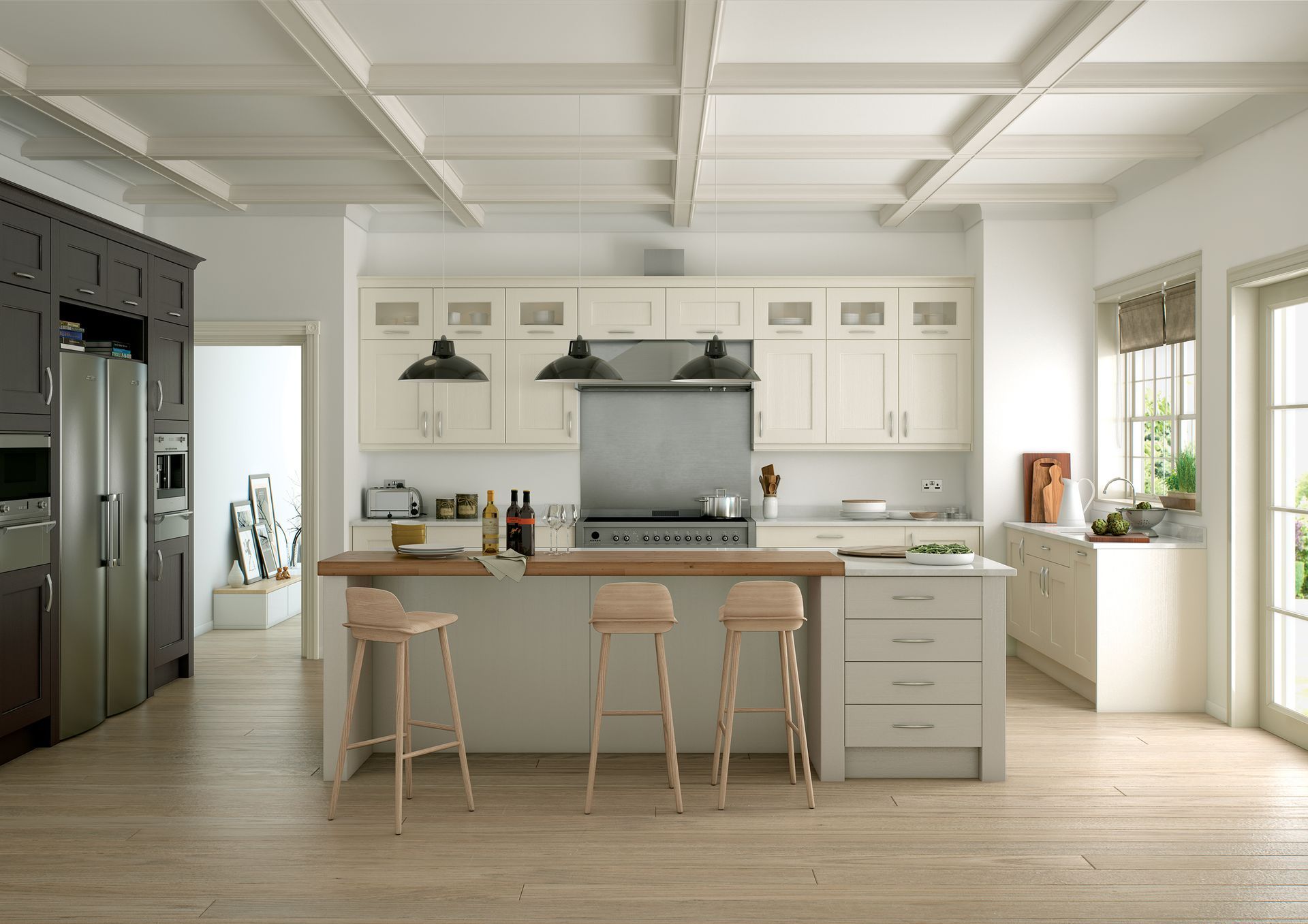
Cabinetry forms the foundation of your kitchen. Lower-quality materials may initially look perfectly acceptable, but they can be more susceptible to moisture damage, swelling, chipping, sagging and general wear.
Well-made cabinetry, constructed from appropriate materials and finished properly, is designed to withstand everyday use.
Choosing quality cabinets can mean fewer repairs, fewer replacements and a kitchen that continues to look and feel good for considerably longer.
2. Hinges, Drawers and Hardware
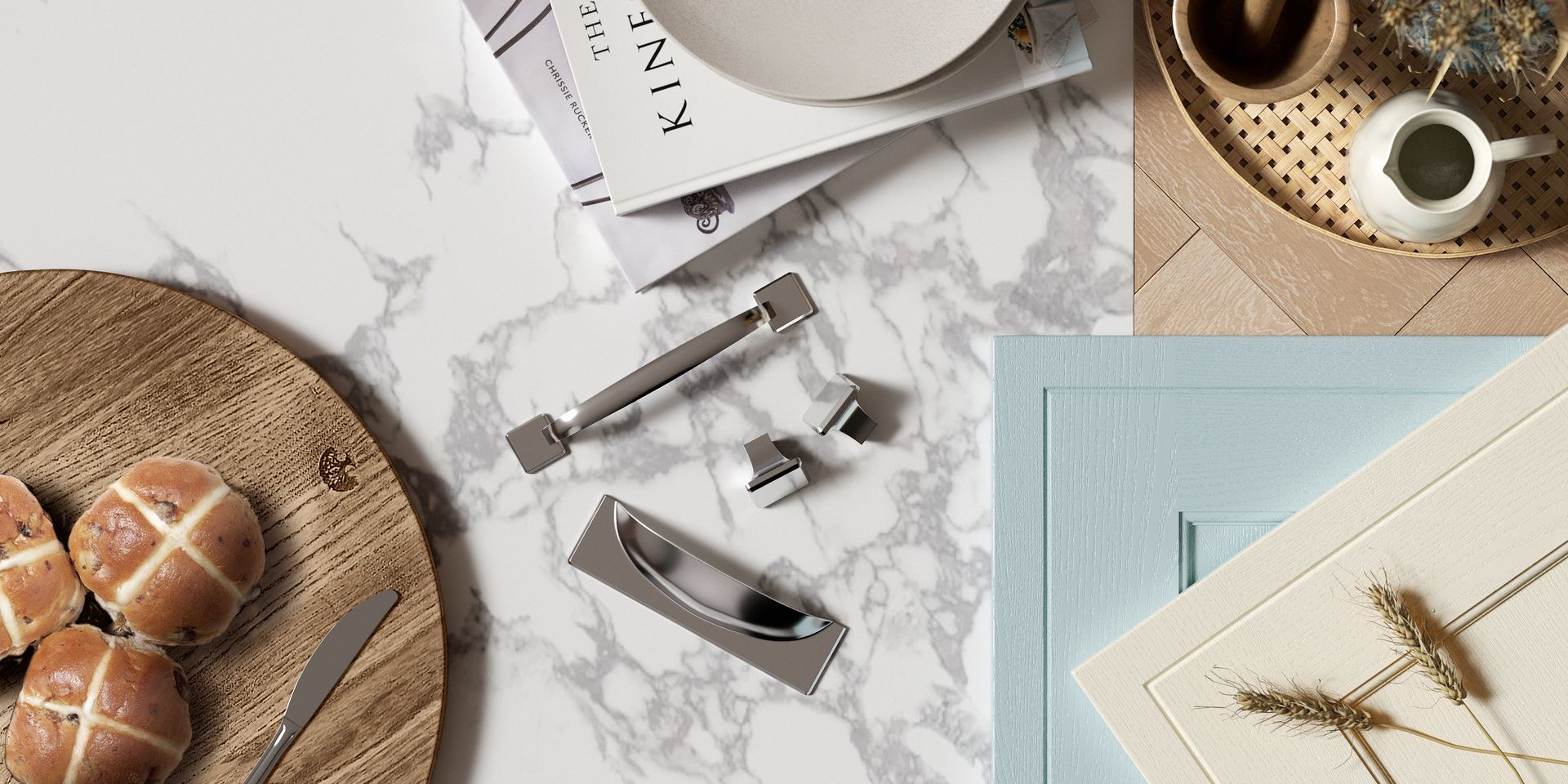
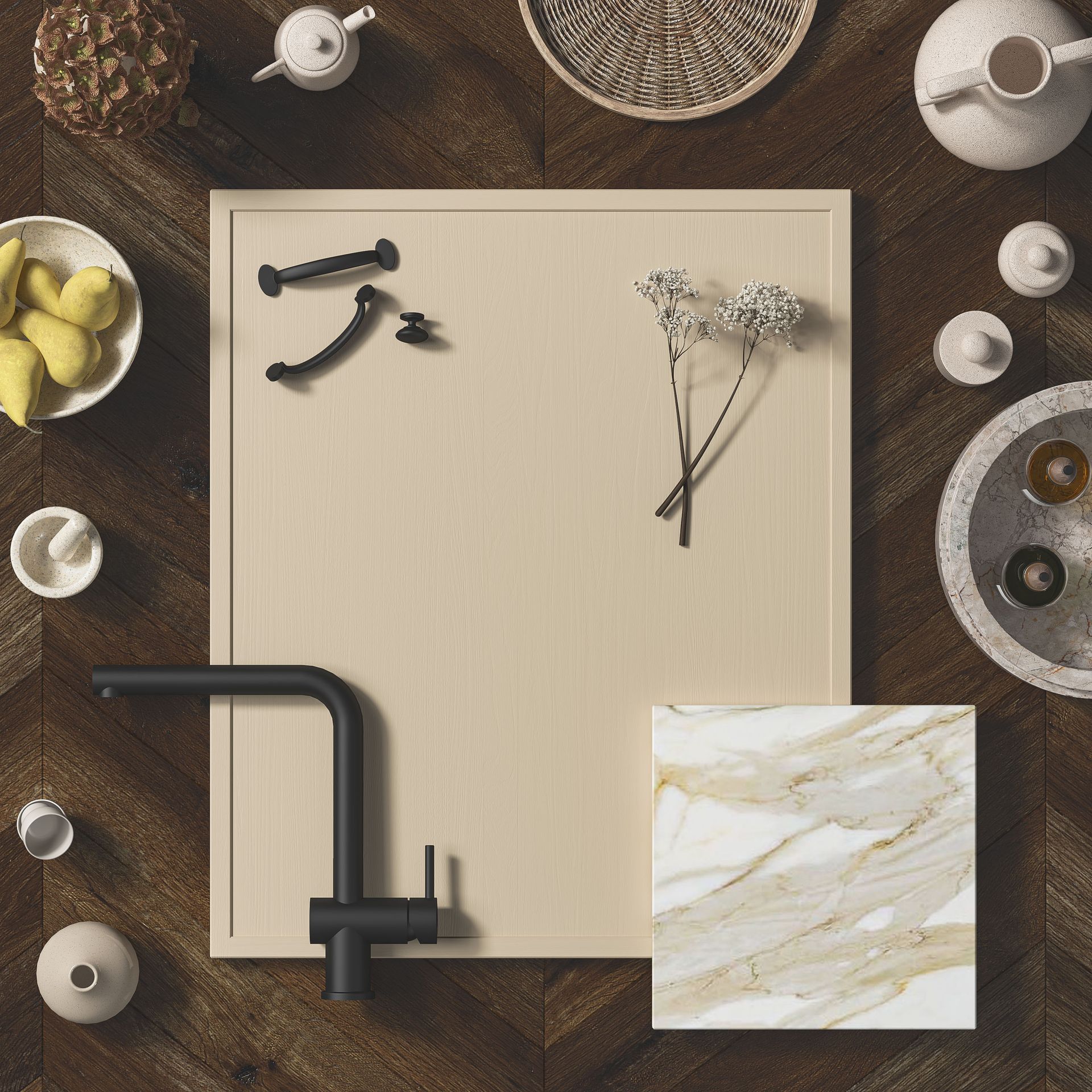
The components you may barely notice when viewing a new kitchen can become some of the most important parts once you start using it.
Hinges, drawer runners and other mechanisms are used hundreds, if not thousands, of times over the life of a kitchen. Poor-quality hardware can become loose, noisy or unreliable, while quality mechanisms are designed to provide smooth and dependable operation.
It is often these seemingly small details that make the biggest difference to how a kitchen feels to use every day.
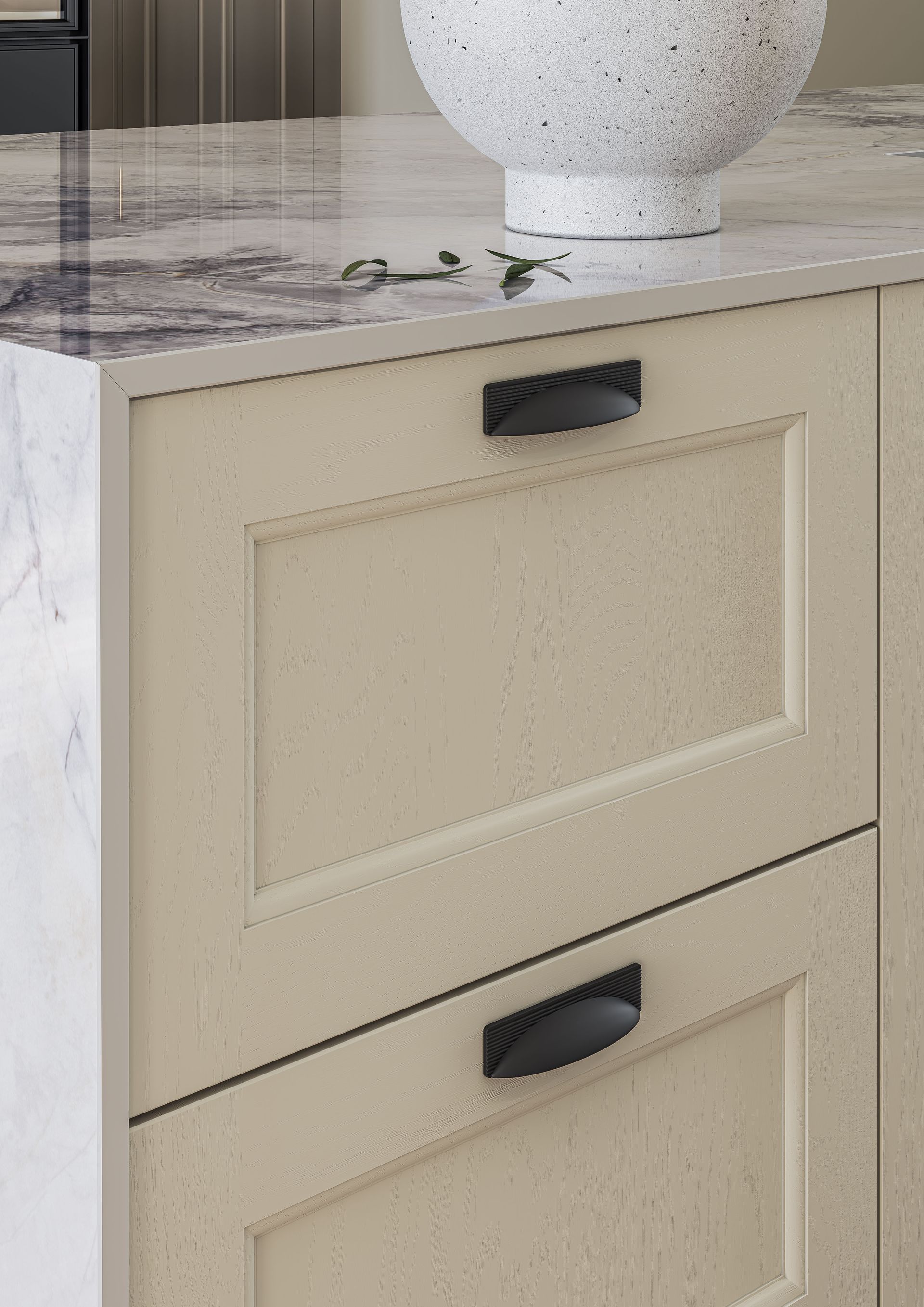
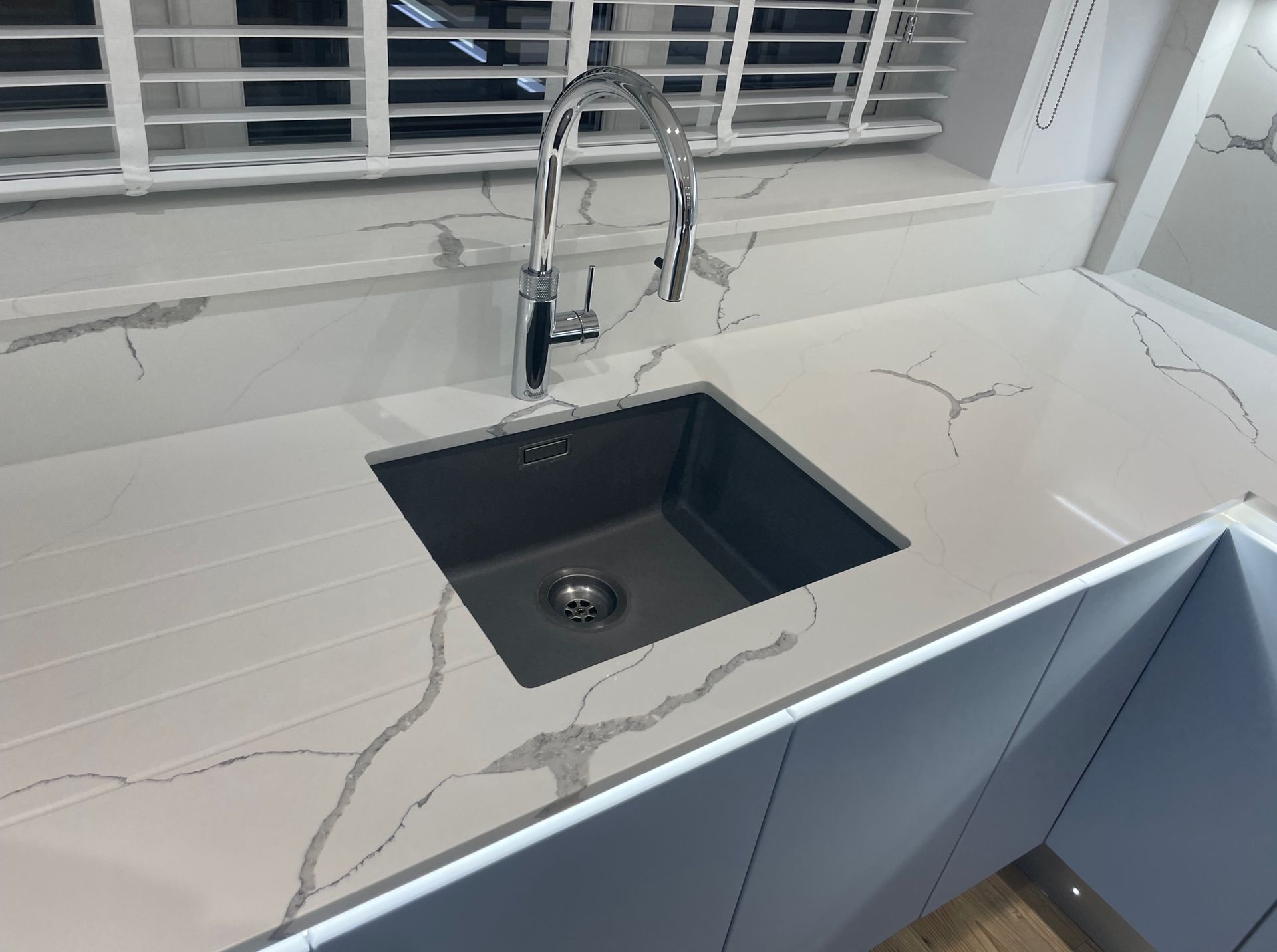
Your worktops have to cope with a lot. Spills, heat, food preparation, cleaning and everyday knocks are all part of kitchen life.
A cheaper worktop may require greater care or be more vulnerable to staining, scratching, chipping or heat damage. Investing in an appropriate, high-quality surface can help maintain both the appearance and functionality of your kitchen for longer.
The right worktop is not simply about choosing the most expensive material. It is about selecting a surface that suits how you use your kitchen.
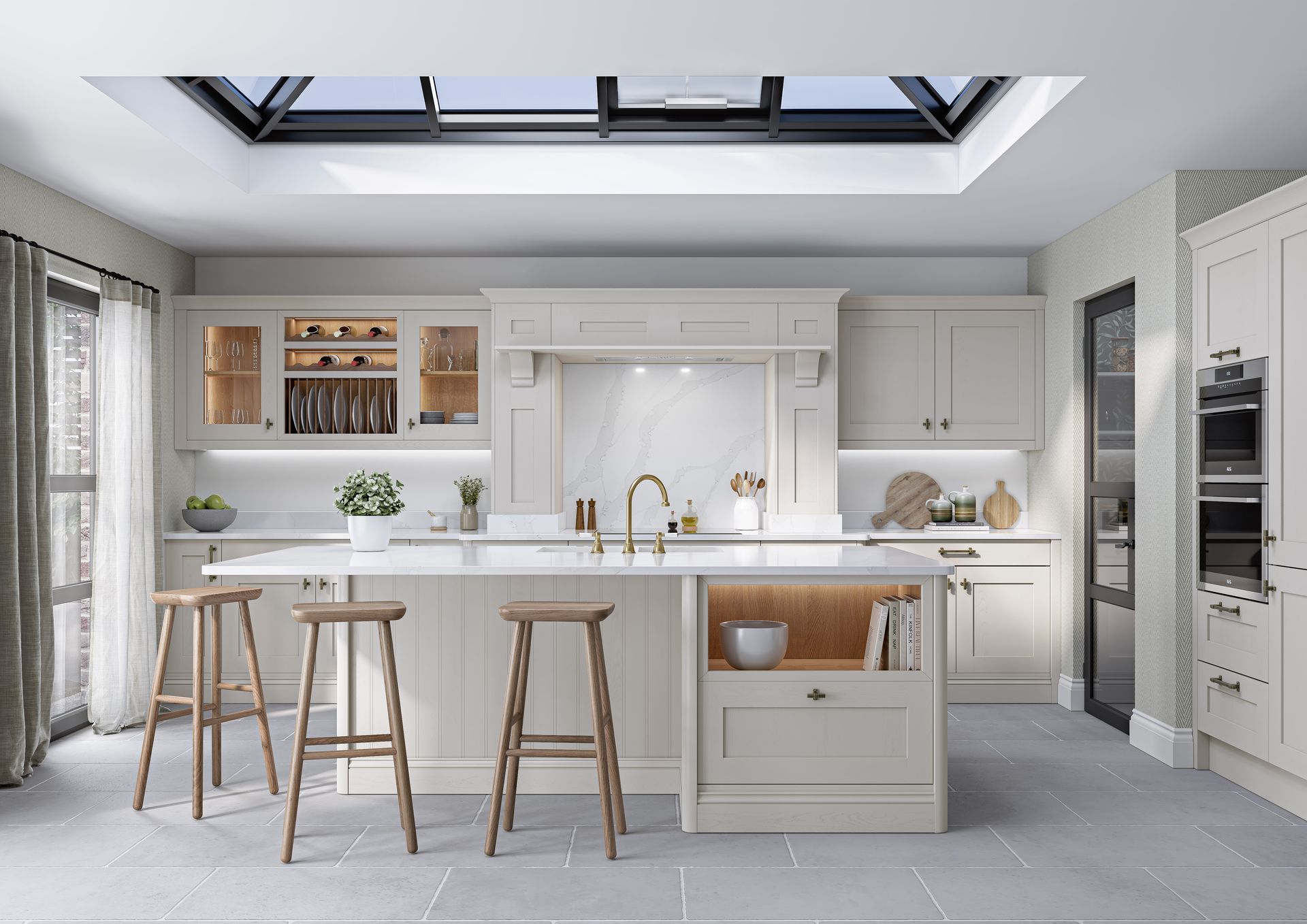
4. Appliances and Running Costs
Appliances are another area where looking beyond the initial price can be worthwhile.
Purchase price, energy efficiency, expected lifespan, reliability and servicing requirements can all contribute to the true cost of an appliance.
A kitchen designed around quality, appropriate appliances can provide dependable performance while potentially reducing unnecessary replacement and repair costs over the years.
Look beyond the quote and understand what you are investing in.
Visit our Berkshire showroom and talk through your plans with an experienced Applewood kitchen designer. We can help you understand the options, materials and details that matter for your home and your budget.